Archives
- 2026-07
- 2026-06
- 2026-05
- 2026-04
- 2026-03
- 2026-02
- 2026-01
- 2025-12
- 2025-11
- 2025-10
- 2025-09
- 2025-03
- 2025-02
- 2025-01
- 2024-12
- 2024-11
- 2024-10
- 2024-09
- 2024-08
- 2024-07
- 2024-06
- 2024-05
- 2024-04
- 2024-03
- 2024-02
- 2024-01
- 2023-12
- 2023-11
- 2023-10
- 2023-09
- 2023-08
- 2023-07
- 2023-06
- 2023-05
- 2023-04
- 2023-03
- 2023-02
- 2023-01
- 2022-12
- 2022-11
- 2022-10
- 2022-09
- 2022-08
- 2022-07
- 2022-06
- 2022-05
- 2022-04
- 2022-03
- 2022-02
- 2022-01
- 2021-12
- 2021-11
- 2021-10
- 2021-09
- 2021-08
- 2021-07
- 2021-06
- 2021-05
- 2021-04
- 2021-03
- 2021-02
- 2021-01
- 2020-12
- 2020-11
- 2020-10
- 2020-09
- 2020-08
- 2020-07
- 2020-06
- 2020-05
- 2020-04
- 2020-03
- 2020-02
- 2020-01
- 2019-12
- 2019-11
- 2019-10
- 2019-09
- 2019-08
- 2019-07
- 2019-06
- 2019-05
- 2019-04
- 2018-11
- 2018-10
- 2018-07
-
Introduction Since the development of the first radioimmunoa
2021-12-08
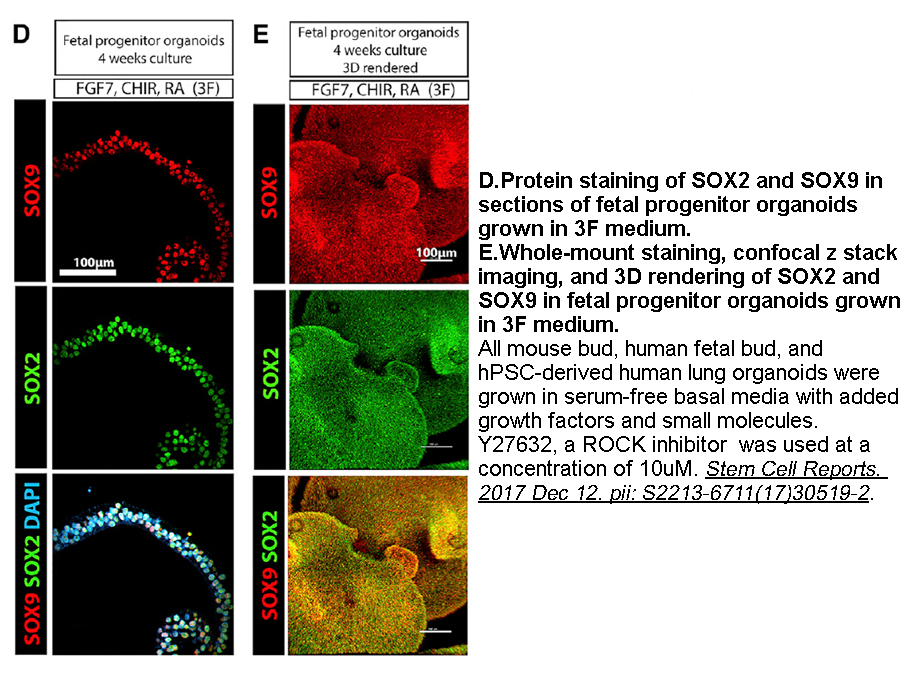
Introduction Since the development of the first radioimmunoassay (RIA) to measure hormone levels in the late 1950s, for which Rosalyn Sussman Yalow was awarded the Nobel Prize for Medicine in 1977 (the second woman ever receiving it), the use of 5416 in molecular research has increased tremendousl
-
Recent research has focused on
2021-12-08
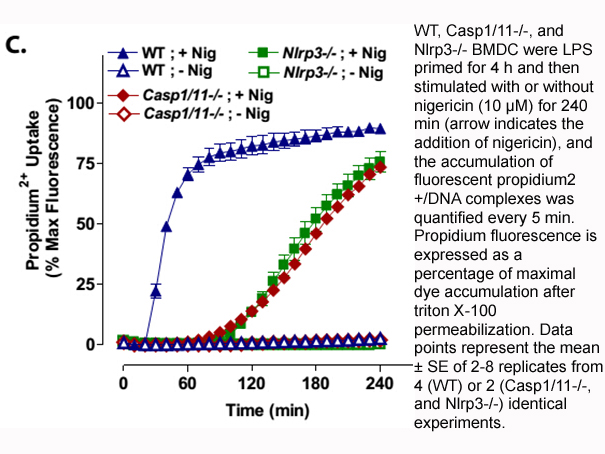
Recent research has focused on identifying key agonists and receptors mediating nutrient-induced GLP-1 and insulin secretion. The long-chain fatty Tubastatin A HCl synthesis receptor GPR40 is the most abundant GPCR expressed in islet β cells and is also expressed on intestinal L-cells, where it con
-
While earlier reports on ferroptosis
2021-12-08
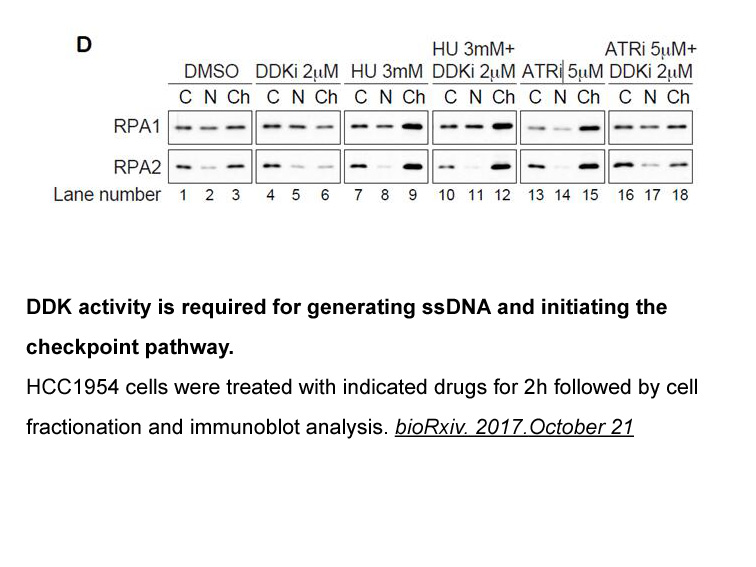
While earlier reports on ferroptosis did not clarify mitochondrial damage and consequent death signaling in this paradigm of oxidative death, evidence from recent studies in neuronal systems strongly suggested a mechanistic link between enhanced lipid peroxide formation and loss of mitochondrial int
-
Andexanet alfa works as a decoy for the FXa inhibitor
2021-12-08

Andexanet alfa works as a decoy for the FXa inhibitor to bind to irreversibly. The recently completed ANDEXA-4 trial, which was a prospective, open-label, single group study, found that patients achieved good or excellent hemostasis in 82% of subjects [, , ]. There was an overall 10% thromboembolic
-
The site of metastasis in breast cancer often
2021-12-07
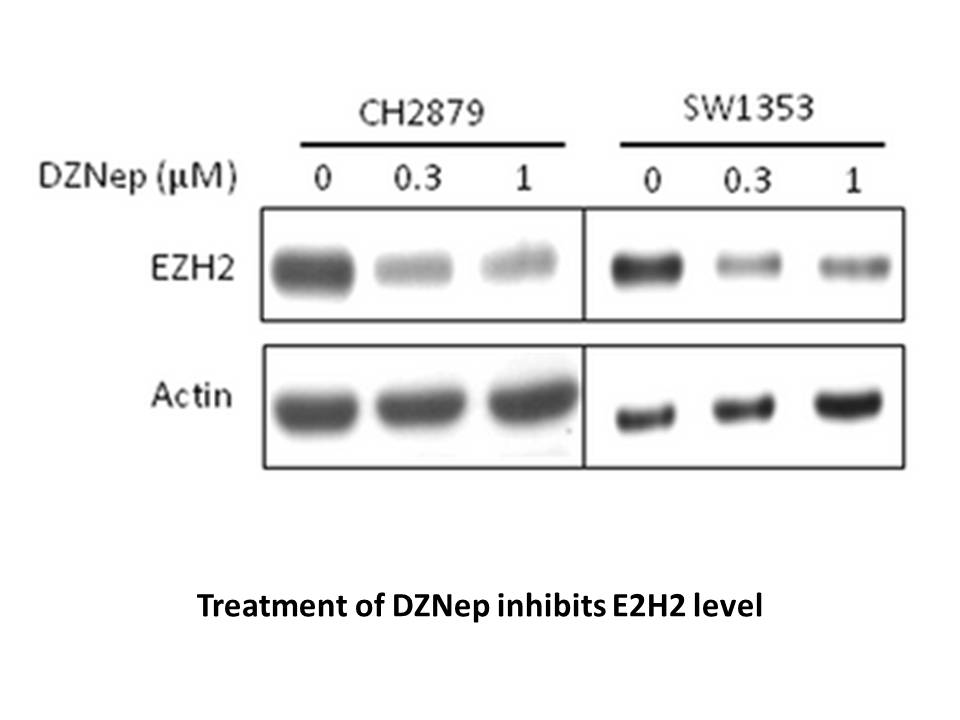
The site of metastasis in breast cancer often contributes to the patient’s OS. Patients with bone metastasis from their breast cancer often have a notably increased survival over patients with visceral or capreomycin metastasis. In this analysis, ER+/HER2+ patients were noted to have a higher rate o
-
Intracellular signaling pathways leading to
2021-12-07
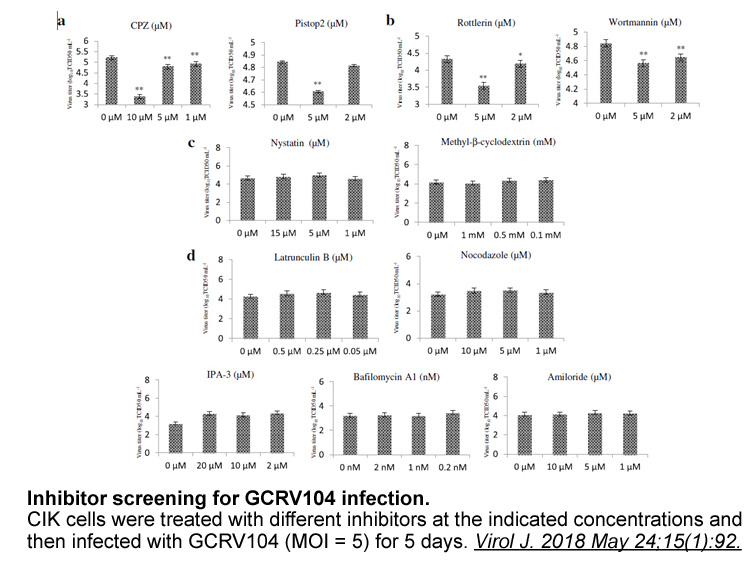
Intracellular signaling pathways leading to IR injury are initiated by an increase in reactive oxygen species (ROS). This occurs principally at the time of initiation of reperfusion, which is accompanied by the re-admission of oxygen to the ischemic tissue. The resulting cascade of downstream events
-
The prevalence of hepatitis C virus
2021-12-07
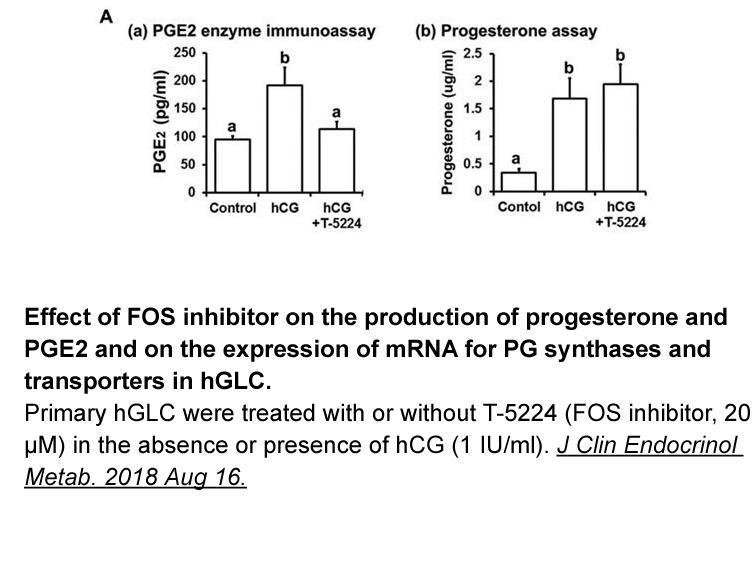
The prevalence of hepatitis C virus (HCV) infection in p.C282Y homozygotes in North America is unknown. We determined the prevalence of anti-HCV antibody and HFE genotype and serum ferritin (SF) associations in non-Hispanic white participants in the Hemochromatosis and Iron Overload Screening (HEIRS
-
br Materials and methods br Results
2021-12-07
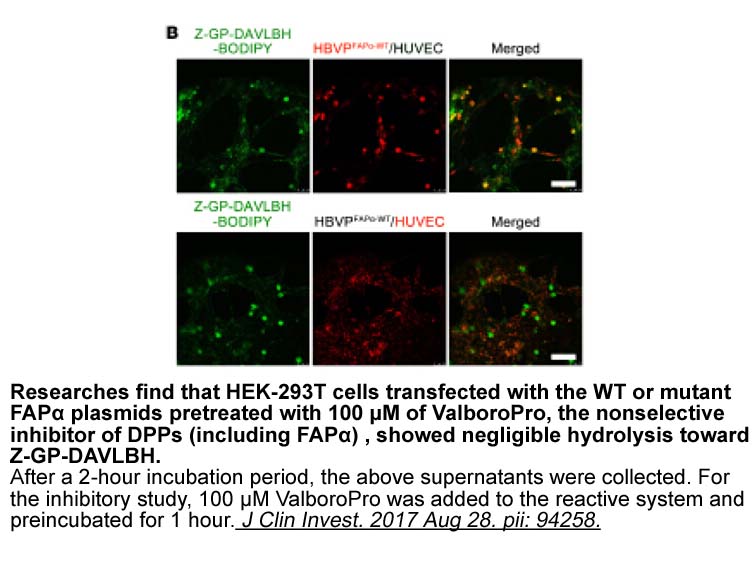
Materials and methods Results Discussion Directly modulating specific target proteins and signaling pathways with small-molecule drugs or agonistic 69 8 is widely used for cancer metastasis therapies [[39], [40], [41]]. ANXA7 acts as a metastasis suppressor in prostate cancer. However, the
-
Initial experiments confirmed that RBC
2021-12-07
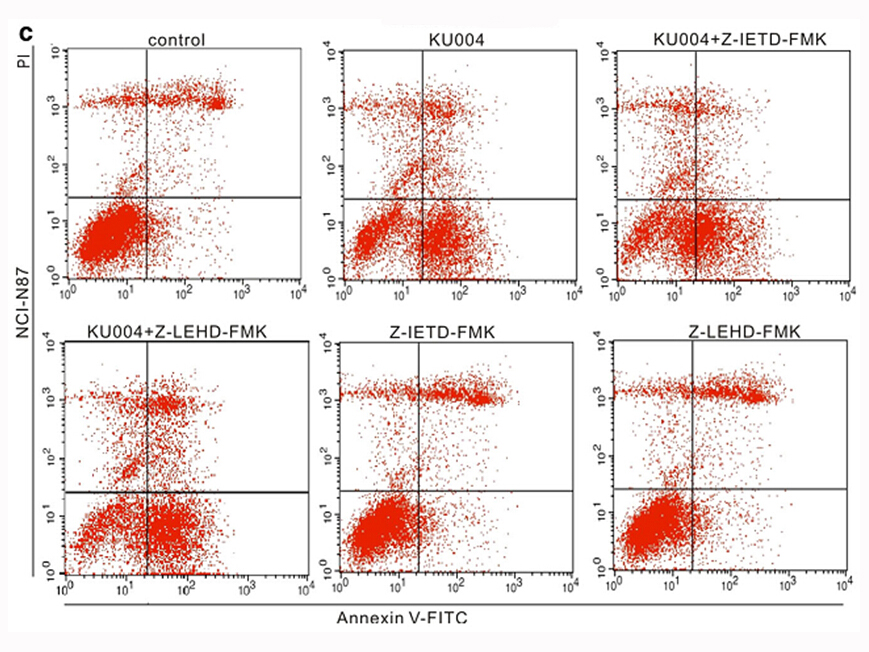
Initial experiments confirmed that RBC8 effectively inhibited both RalA and RalB activation in an identical, dose-dependent manner following platelet stimulation with the GPVI-specific ligand, CRP (Fig. 1Ai). Non-specific, upper bands were observed when immunoblotting for activated RalB, with the sp
-
br S Nitrosoglutathione reductase GSNOR also
2021-12-07

S-Nitrosoglutathione reductase (GSNOR) also identified as glutathione-dependent formaldehyde dehydrogenase (FDH), is a zinc-dependent dehydrogenase. It is a member of the alcohol dehydrogenase (ADH) family and is called class III alcohol dehydrogenase that regulates the levels of S-nitrosothiols (
-
Here we studied the effects
2021-12-07
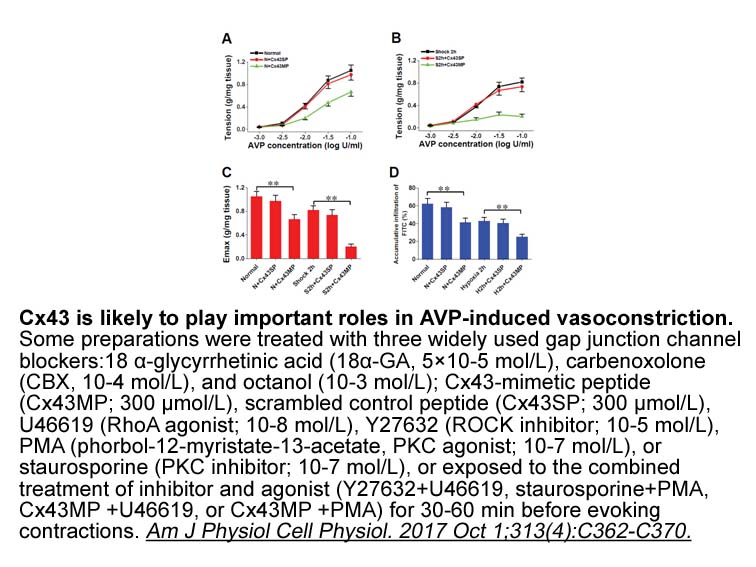
Here we studied the effects of BZ flurazepam (FZ) at high doses in acute and chronic settings of tolerance and dependence in GluR-A−/− mice (Zamanillo et al., 1999). We used measurements in which the phenomenon of “learning while intoxicated” should play only a minor role in order to find out the si
-
Many studies support that Gli transcription factors
2021-12-07
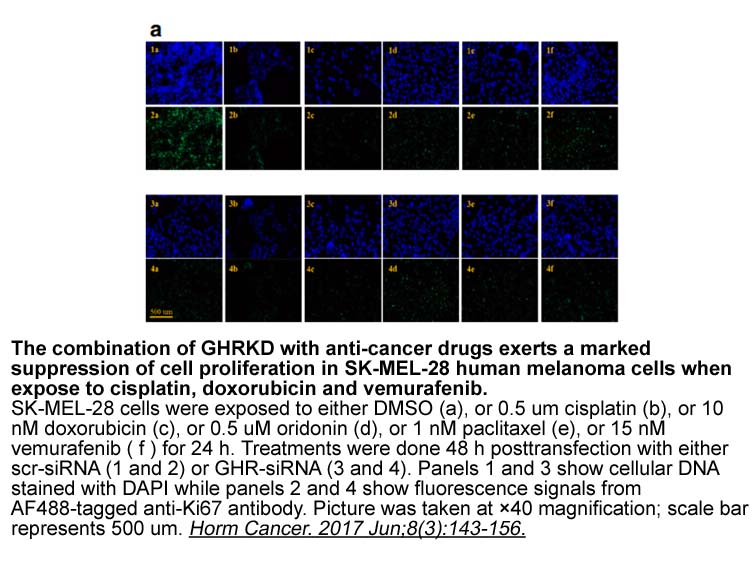
Many studies support that Gli transcription factors are not solely regulated by Hh/smo signaling but are also influenced by crosstalk with other pathways, such as RAS, PI3K/AKT, transforming growth factor-b/SMAD, PKC, or extracellular signal-regulated kinase pathways which are downstream and indepen
-
Ghrelin contains an n octanoylation
2021-12-07
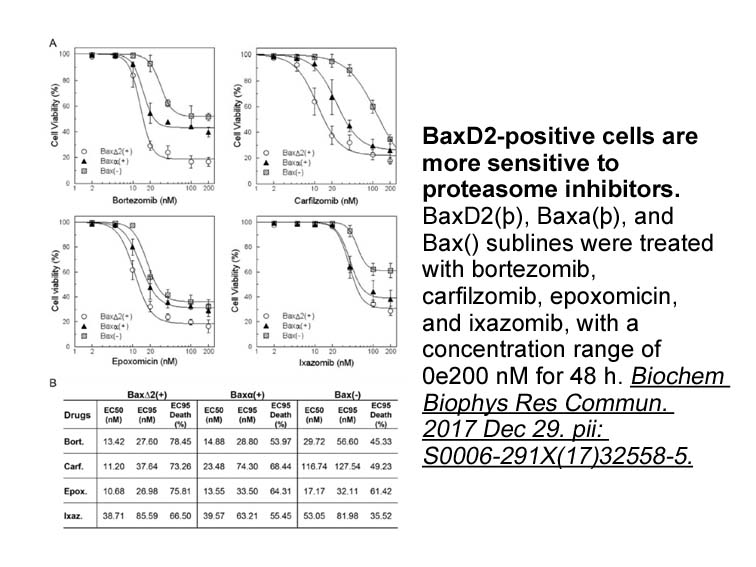
Ghrelin contains an n-octanoylation at its Ser3 residue (Kojima et al., 1999). While des-acyl ghrelin is found in high concentrations in the blood, only the lipidated form is active at GHSR (Bednarek et al., 2000). We previously showed that ghrelin interacts with the membrane via its lipid modificat
-
In early a collaborative effort between
2021-12-06
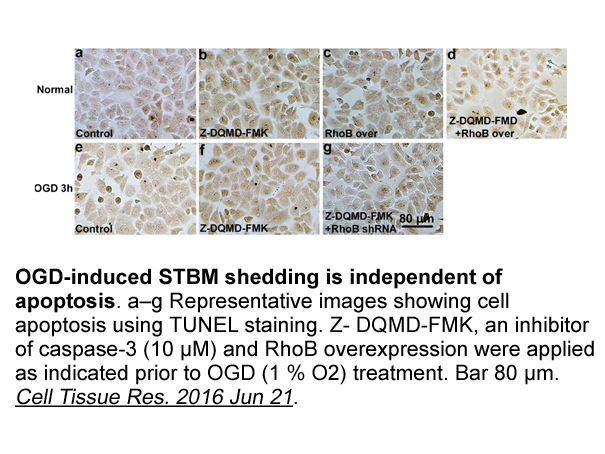
In early 2017, a collaborative effort between the group that pioneered the above described evidence of platinum-induced PUFA chemotherapy resistance and a group that has contributed to much of the known molecular pharmacology of FFA4, revealed that the molecular target of 16:4(n-3), which affords ch
-
Considering the fact that NADPH oxidase is
2021-12-06
Considering the fact that NADPH oxidase is the main source for paraquat and maneb-induced oxidative stress, we hypothesized that NADPH oxidase activation might contribute to dopaminergic neurodegeneration induced by paraquat and maneb through ferroptosis. To test our hypothesis, we investigated the
16701 records 573/1114 page Previous Next First page 上5页 571572573574575 下5页 Last page